
Who Pays If You Are Partially at Fault? Massachusetts’ Comparative Negligence Rule Explained
- July 29, 2026 |
- Car Accidents

If the other driver says you were at fault for an accident, that does not automatically mean you lose your right to compensation. Massachusetts law allows injured drivers and passengers to recover damages in some shared-fault car accident claims, but the percentage of blame assigned to each person can determine whether you receive compensation at all.
For example, after a crash at a busy Springfield intersection, both drivers may tell different stories about who had the right of way, who was speeding, or who failed to react in time. We will look at how comparative negligence works so you can see why gathering evidence quickly with strong legal representation matters.
Key Takeaways About Comparative Negligence in MA Car Accidents
- Massachusetts follows a modified comparative negligence rule.
- You may recover compensation if you are 50% or less at fault.
- Your compensation is reduced by your percentage of fault.
- You cannot recover damages if you are 51% or more at fault.
- Insurance companies often use shared fault arguments to reduce or deny claims.
What Is Comparative Negligence in a Massachusetts Car Accident?
When more than one person may have contributed to an accident, Massachusetts uses a comparative negligence rule. Under Massachusetts General Laws Chapter 231, Section 85, an injured person can still recover damages if their negligence was not greater than the negligence of the other party or parties involved.
In plain language, this means you can recover compensation if you are 50% or less at fault. However, your recovery will be reduced by your share of responsibility. This is why the other driver, and their insurance company, will want to blame you for the crash.
Why the 51% Bar Rule Massachusetts Uses Is So Important
The 51% bar rule is the line between reduced compensation and no compensation. That makes every percentage point important in a disputed liability case.
Insurance companies understand this. If they can argue that you were slightly more at fault than their policyholder, they may avoid paying your claim entirely. Even if they cannot push your fault above 50%, increasing your assigned percentage can still reduce the amount they owe.
If you make a statement such as “I may have been going a little fast” or “I did not see the other car until the last second,” it can seriously affect your claim. Insurers may use partial admissions, unclear police reports, or conflicting witness accounts to shift blame onto you.
How Shared Fault Happens in a Springfield Intersection Crash: a Real-Life Example
Imagine a crash at State Street and Main Street in Springfield. You are driving through the intersection when another vehicle turns left across your path. You believe the other driver failed to yield. The other driver claims you were speeding or entered the intersection late.
At first, this may seem like a straightforward left-turn accident. But the insurance adjuster may frame it differently. They may admit that the other driver might have slightly misjudged the turn, but that you were traveling too fast, failed to brake, or should have avoided the collision.
The adjuster’s goal may be to assign you 51% of the blame. If they succeed, your claim may be denied under Massachusetts law.
This type of contested accident often turns on details such as signal timing, vehicle positions, road markings, sight lines, traffic flow, and witness observations. Without solid evidence, the insurance company’s version of the crash may carry too much weight.
How a Skilled Car Crash Attorney Pushes Back Against Unfair Blame
An experienced Springfield car accident lawyer will not simply accept the insurance company’s fault decision. Instead, they will look for evidence that demonstrates whether the other driver had greater responsibility for the crash.
Witness Statements Can Clarify Who Had the Right of Way
Independent witnesses may remember whether the turning driver hesitated, accelerated suddenly, or crossed when it was unsafe. They may also confirm whether you had the green light, were traveling with traffic, or had any reasonable chance to avoid the crash.
Accident Reconstruction Can Explain the Collision
In more serious crashes, an accident reconstruction expert may analyze vehicle damage, skid marks, road layout, impact angles, and other physical evidence. This can help show how fast the vehicles were moving, where the impact occurred, and whether the left-turning driver violated the rules of the road.
Why Can an Accident Reconstructionist Make or Break a Car Accident Claim?
Attorney Jennifer Cava-Foreman from Cava Law Firm explains the importance of working with an accident reconstructionist:
“If we need to have an accident re-evaluated based on a fault evaluation, [having an accident reconstructionist] would be important as a make or break sort of situation in a claim.”
Documentation Can Prevent the Insurance Company From Rewriting the Story
Photos, police reports, repair records, dashcam footage, surveillance video, and prompt medical documentation can all help protect your version of events. The more complete the evidence, the harder it becomes for an insurer to rely on speculation.
Why You Should Be Careful When Talking to Insurance Adjusters
Insurance adjusters often ask questions designed to gather statements that can be used against you later. Even polite conversation can become part of the claim file.
You should be cautious about discussing speed, distraction, visibility, timing, or whether you “could have avoided” the crash. These issues can directly affect comparative negligence and your potential financial recovery.
Before giving a recorded statement or accepting a fault decision, consult with a knowledgeable car accident attorney to fully understand your legal rights.
Frequently Asked Questions About Shared Fault Car Accident Claims
Can I still get money if the other driver says I was also at fault?
Yes, you may still recover compensation if you were 50% or less at fault. The other driver’s accusation does not decide your case. Evidence determines who was at fault.
What happens if I am exactly 50% at fault?
If you are exactly 50% at fault, you may still recover damages in Massachusetts. However, your final compensation would be reduced by 50%.
Can the insurance company decide I am 51% at fault?
An insurance company can take that position, but it does not have the final word. Its decision can be challenged through negotiation, evidence, and, if necessary, litigation.
Should I accept a settlement if the insurer says I share fault?
Not before understanding how the assigned fault percentage affects your compensation. A reduced offer may not reflect the true value of your claim.
Contact Cava Law Firm Today to Discuss How Your Fault May Impact a Car Accident Claim
Being partially at fault for a crash does not mean you have no rights. Under Massachusetts law, you may still recover compensation if the evidence shows the other driver was more responsible than you were.
At Cava Law Firm, we help injured individuals throughout Springfield and Western Massachusetts fight unfair insurance tactics and pursue the compensation they deserve. Attorneys Christopher F. Cava and Jennifer L. Cava-Foreman understand how comparative negligence affects car accident claims and how to build strong cases even when fault is disputed.
If you were partially at fault in an accident in Springfield, contact Cava Law Firm today for a free consultation to learn about your options. Call (413) 737-3430 or (413) 781-CAVA (2282) to discuss your legal rights.
At Cava Law Firm… Winning is NO Accident!
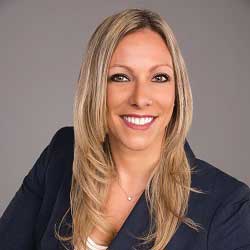
Attorney Jennifer L. Cava-Foreman
Attorney Jennifer L. Cava-Foreman would like to take the guesswork out of choosing a lawyer by letting the facts and her winning verdicts speak for themselves. Attorney Cava-Foreman is known in the local courts and has firsthand experience with many types of cases ranging from personal injury to criminal defense. Attorney Cava-Foreman understands that every case and every client is different. Whether a client is injured or mixed up in a criminal matter, she will provide the legal advice needed and stand up for her client in court. [ Attorney Bio ]