

Why Winter Slip and Fall Cases on Springfield Ice and Snow Are So Complex
- June 12, 2026 |
- Slip and Fall
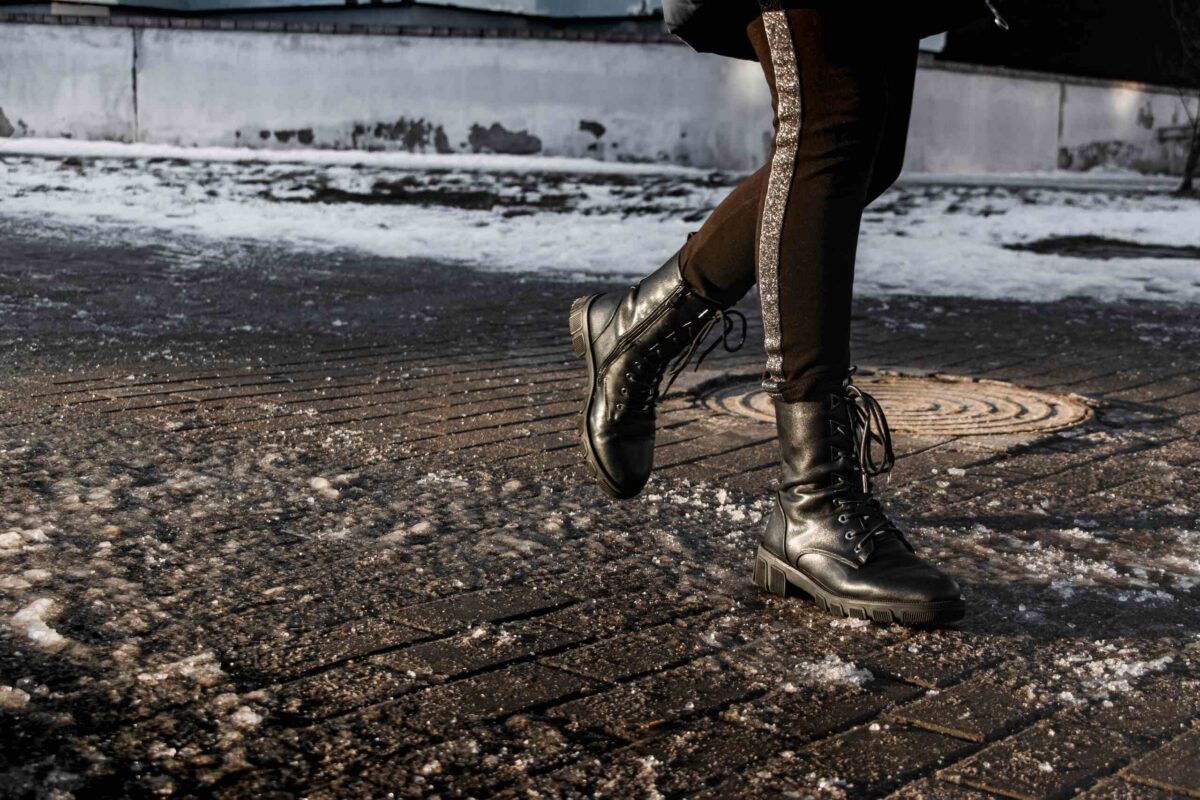
If you slipped and fell on an icy sidewalk in Springfield, determining who is responsible can be complicated. Massachusetts law takes a unique approach to snow and ice cases, and the outcome often depends on subtle but critical details about how the hazard formed.
Winter conditions in Hampden County, especially frequent freeze-thaw cycles, create constantly changing surfaces. A sidewalk may appear safe one day and become dangerously slick the next. We will review how the law treats these situations to help you determine whether you have a valid claim.
Key Takeaways About Ice and Snow Slip and Fall Claims in Massachusetts
- Massachusetts law focuses heavily on whether ice was naturally or unnaturally accumulated
- Property owners may be liable if their actions create or worsen icy conditions
- Freeze-thaw cycles in Springfield often lead to dangerous refreezing hazards
- Solid evidence is critical in proving how and why the fall occurred
- These cases often require detailed investigation and legal analysis
Why Are Slip and Fall Cases on Ice and Snow in Springfield So Complicated?
Slip and fall cases on ice and snow in Springfield are complex because Massachusetts law distinguishes between natural and unnatural accumulations of ice, which directly affects whether a property owner can be held liable. Whether your case succeeds often depends on showing that the icy condition was not merely weather-related but was caused or worsened by negligence.
What Does the Massachusetts Snow and Ice Removal Law Say?
Massachusetts’ snow and ice laws create a legal framework that makes snow and ice injury cases more nuanced than many other personal injury claims. Courts must examine whether the condition that caused your fall was natural or caused by human action.
The general rule
Property owners, including businesses and landlords, have a duty to maintain premises that are reasonably safe. However, when it comes to snow and ice, that duty is limited in certain situations.
Massachusetts courts have held that natural accumulations of snow and ice, by themselves, are generally insufficient to establish liability. This means that simply falling on an icy surface after a storm does not automatically create a valid claim against the property owner or manager.
An experienced Springfield slip and fall accident lawyer can review the circumstances of your accident and explain how the law applies to your situation during a free consultation.
The Critical Difference: Natural vs. Unnatural Ice Accumulation
Natural accumulation is snow and ice that exists because of natural rainy or snowy weather. Unnatural accumulation results when those conditions are worsened by human involvement or neglect.
The distinction between natural and unnatural accumulation is one of the most important factors that slip-and-fall-on-ice lawyers in Springfield, MA must address.
| Natural Accumulation | Unnatural Accumulation |
|---|---|
| Conditions develop solely due to weather without human involvement. | Human actions create or worsen the icy conditions. |
| Examples: Snow falling during a storm, overnight freezing, or normal melting/refreezing patterns. | Examples: Plowing snow into piles that melt across walkways, faulty gutters/downspouts, or poor drainage systems. |
| Liability: Very difficult to hold property owners responsible as they cannot control the weather. | Liability: Property owners may be held responsible for preventable risks caused by maintenance decisions or lack of care. |
What Is a Natural Accumulation?
A natural accumulation of snow or ice occurs when hazardous conditions develop solely because of weather, without any human involvement. For example, snow that falls during a storm and freezes overnight, or ice that forms from normal melting and refreezing patterns, is typically considered natural.
These are conditions that arise as part of New England winters, especially in areas like Springfield, where temperature fluctuations are common.
When a fall is caused by a purely natural accumulation, it can be much more difficult to hold a property owner legally responsible. Massachusetts law recognizes that property owners cannot control the weather itself, which is why these cases often hinge on whether anything beyond natural conditions contributed to the hazard.
What Is an Unnatural Accumulation?
An unnatural accumulation, on the other hand, occurs when human actions create or worsen an icy condition. This is where liability often comes into play. When a property owner’s maintenance decisions, or lack of proper care, lead to dangerous ice formation, the situation moves beyond natural weather conditions and into preventable risk.
In Springfield, this can happen when snow is plowed into piles that later melt and refreeze across walkways, or when faulty gutters and downspouts allow water to drip and freeze on sidewalks.
Poor drainage systems can also cause water to collect in certain areas, creating recurring ice patches. Even well-intentioned snow removal efforts can become hazardous if they leave behind uneven surfaces or compacted ridges that later turn slick.
These types of conditions are especially common in Hampden County due to repeated freeze-thaw cycles, where daytime melting is followed by nighttime freezing. When a property owner’s actions contribute to this cycle in a way that creates a dangerous condition, Massachusetts law may hold them responsible for the resulting injuries.
Why Freeze-Thaw Cycles in Hampden County Increase Risk
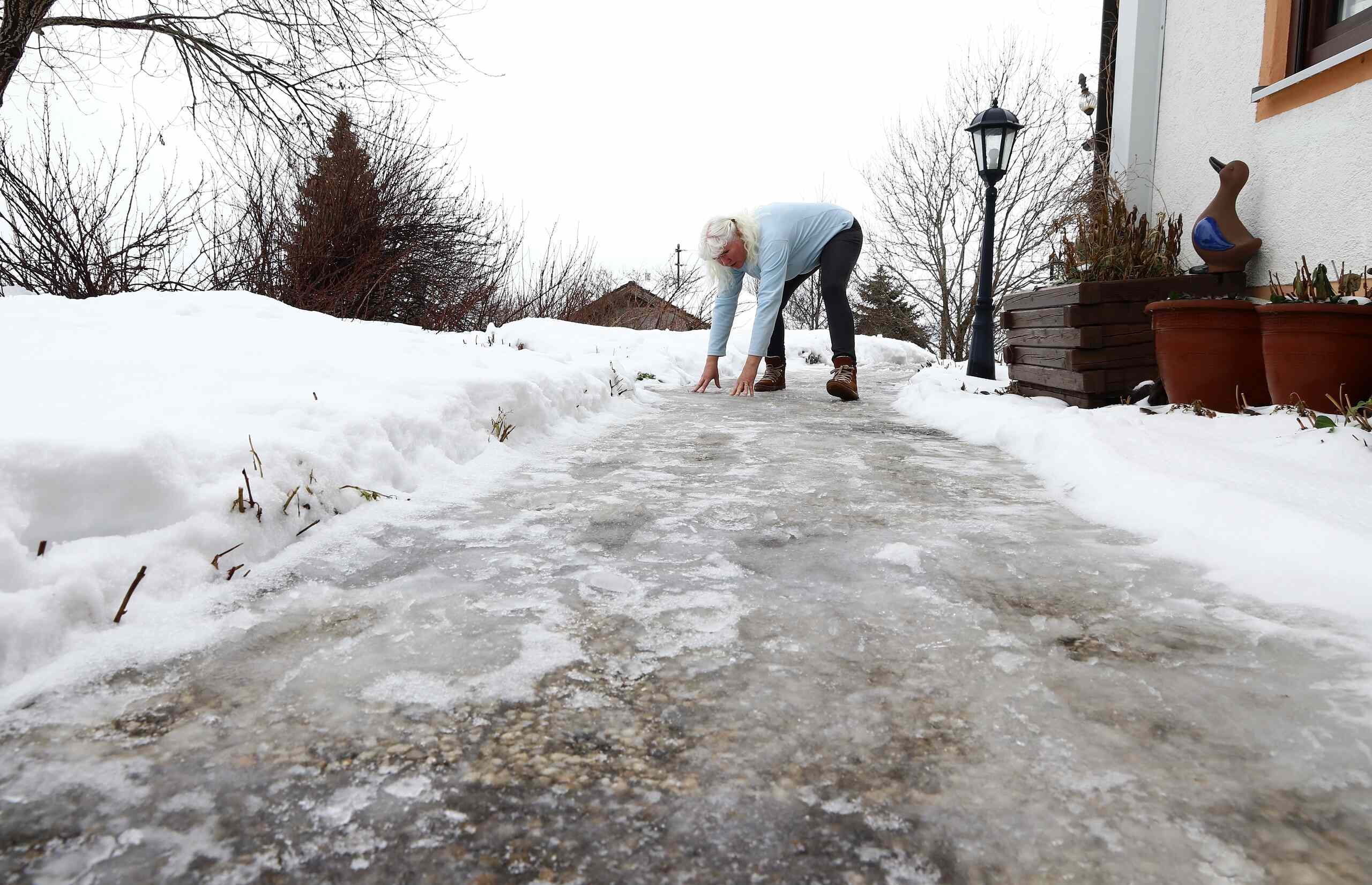
Springfield winters are known for fluctuating temperatures. A sunny afternoon may melt snow, only for temperatures to drop below freezing overnight. This pattern can create hazards such as black ice that is difficult to see, refrozen runoff from roofs and sidewalks, and other hazardous walking conditions, even days after a storm
When these conditions are caused or worsened by human factors, such as poor property maintenance, they can shift a case from natural to unnatural accumulation.
How to Prove Property Owner Liability for Ice in Springfield
To establish property owner liability for ice formation, you must show that the owner failed to take reasonable steps to prevent or address a dangerous condition. Factors courts may consider include:
- Whether the owner knew or should have known about the hazard
- How long had the condition existed before the fall
- Whether reasonable steps were taken to remove or treat the ice
- Whether the hazard was created by the owner’s actions
For example, a business that piles snow near an entrance without considering drainage may create a foreseeable risk to visitors.
Common Scenarios Supporting a Claim for a Fall on an Icy Sidewalk in Springfield
If you fell on an icy sidewalk in Springfield, your case will depend heavily on the surrounding circumstances.
Situations that may support a claim
- Ice formed due to water runoff from a building
- A walkway was partially cleared, leaving uneven or dangerous icy patches
- Snow removal created ridges or barriers that led to refreezing or tripping
- A property owner ignored a known recurring hazard
Situations that may be more difficult to prove
- Ice formed directly from a recent storm with no intervention
- The property owner had no reasonable opportunity to address the condition
Each slip and fall case requires a careful review of evidence to determine liability.
Why Evidence Is So Important in Ice Fall Cases
Slip and fall claims involving snow and ice often come down to proof. Because conditions can change quickly, it is critical to document the accident scene promptly.
Key types of evidence
- Photos of the icy area and the surrounding property conditions
- Weather reports showing temperature changes
- Maintenance records from the property owner
- Witness statements
- Surveillance footage, if available
Without strong evidence, it can be difficult to prove that the ice resulted from negligence rather than natural conditions.
What Should You Do After a Winter Slip and Fall Accident?
Taking the right steps after a fall can protect both your medical recovery and your legal rights. What you do in the moments and days following the incident can significantly affect your ability to pursue a claim.
Seek Medical Attention Right Away
Your health should always come first. Even if your injuries seem minor, it is important to get evaluated as soon as possible. Some injuries may not show symptoms immediately, and medical records can also serve as important evidence later.
Report the Incident to the Property Owner
Make sure the fall is documented by notifying the property owner, manager, or business as soon as possible. An official incident report can help establish when and where the accident occurred.
Document the Scene Carefully
If you are able, take photos of the area where you fell. Capture details such as ice patterns, lighting conditions, nearby structures, and anything that may have contributed to the hazard. Conditions can change quickly, especially in winter, so early documentation is critical.
Gather Witness Information
If anyone saw what happened, ask for their name and contact information. Witness statements can provide valuable support if there is a dispute about how the fall occurred.
Keep Detailed Records
Maintain records of your injuries, medical treatment, expenses, and any time missed from work. This information will be essential if you pursue compensation.
Be Cautious When Speaking With Insurance Companies
Insurance representatives may contact you soon after the incident. It is important to avoid giving recorded statements or discussing details of the fall until you fully understand your legal options.
Frequently Asked Questions About Ice and Snow Slip and Fall Claims
How long do property owners have to clear snow and ice in Massachusetts?
Massachusetts law does not set a strict universal deadline. Instead, property owners are expected to act within a reasonable time after a storm, depending on the circumstances.
Can I still recover compensation if I was not paying full attention?
Possibly. If you bear some fault, Massachusetts follows a modified comparative negligence rule, which allows recovery as long as your share of fault does not exceed 51%. Your compensation may be reduced based on your assessed amount of responsibility.
Are landlords responsible for icy conditions at rental properties?
In many cases, yes. Landlords may be responsible for maintaining common areas, including walkways and entrances, especially if they control snow removal.
What if the ice formed days after a storm?
This can strengthen your claim, particularly if the condition resulted from poor maintenance, drainage issues, or improper snow removal.
Do businesses have stricter responsibilities than homeowners?
Businesses often have a higher duty to maintain safe premises for customers, which may require more proactive snow and ice removal.
Contact Cava Law Firm for a Free Consultation Today
A fall on icy or snowy property in Springfield can leave you dealing with serious injuries, uncertainty, and unexpected financial strain. Determining whether a property owner is responsible requires a detailed understanding of Massachusetts law and the specific facts of your case.
Cava Law Firm has nearly 30 years of experience helping injured individuals throughout Springfield and Western Massachusetts. Attorneys Christopher F. Cava and Jennifer L. Cava-Foreman provide aggressive, bold, and smart legal counsel while maintaining a compassionate, client-focused approach.
If you were injured after you fell on an icy sidewalk in Springfield or elsewhere in Hampden County, contact Cava Law Firm today for a free consultation. Call (413) 781-CAVA (2282) to discuss your legal options.
At Cava Law Firm, Winning is NO Accident!

Attorney Jennifer L. Cava-Foreman
Attorney Jennifer L. Cava-Foreman would like to take the guesswork out of choosing a lawyer by letting the facts and her winning verdicts speak for themselves. Attorney Cava-Foreman is known in the local courts and has firsthand experience with many types of cases ranging from personal injury to criminal defense. Attorney Cava-Foreman understands that every case and every client is different. Whether a client is injured or mixed up in a criminal matter, she will provide the legal advice needed and stand up for her client in court. [ Attorney Bio ]